Reading And How It Happens In Montessori, (Part 1 Of 4)
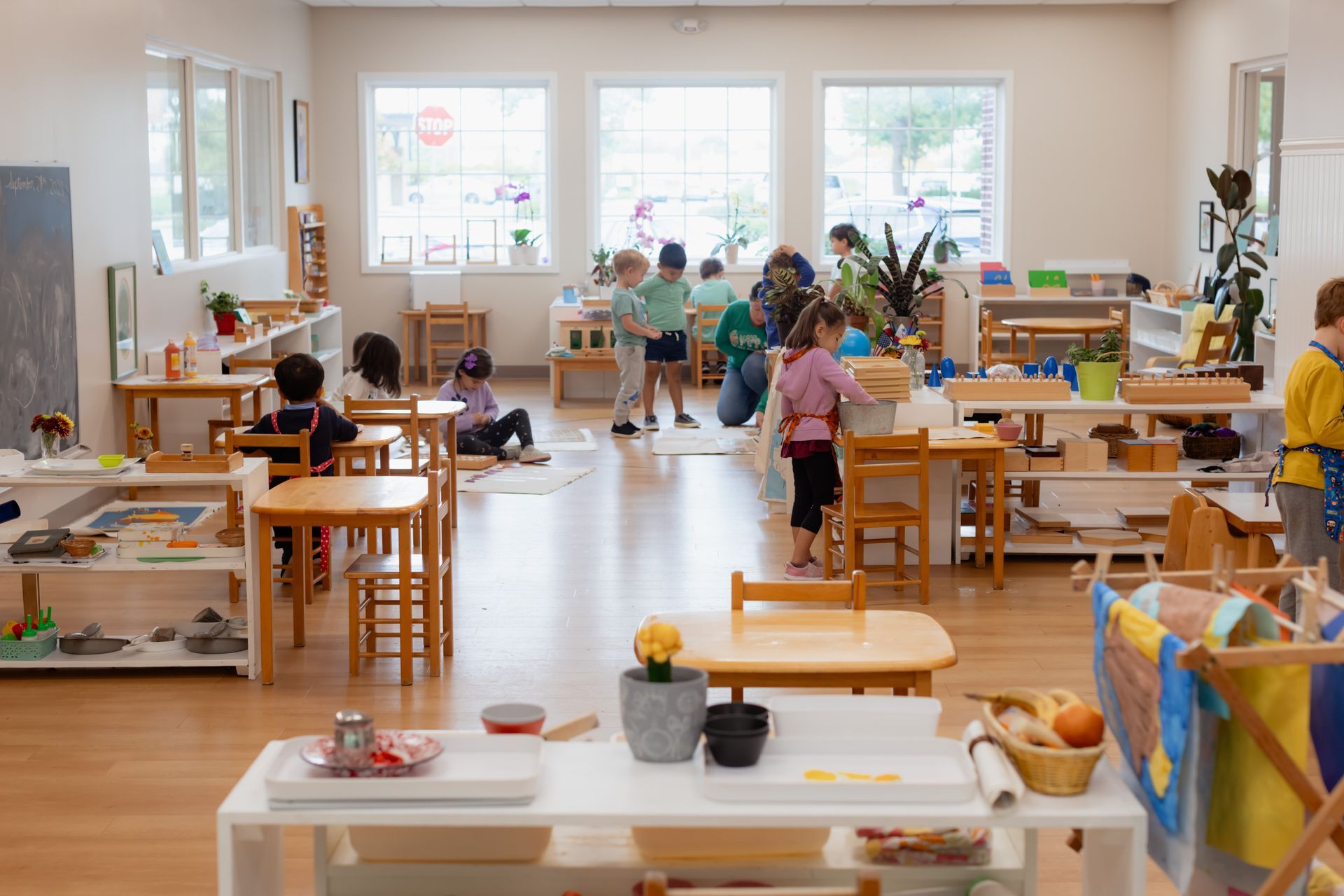
As children continue to learn, guides work to help them develop their ear for the sounds of language. They play games (“I spy something that starts with a /t/!”). They introduce children to specific vocabulary through vocabulary cards and naming each object in the environment. They tell true stories, model conversation, read, recite poems, and sing.
Writing Comes Before Reading In A Montessori Classroom
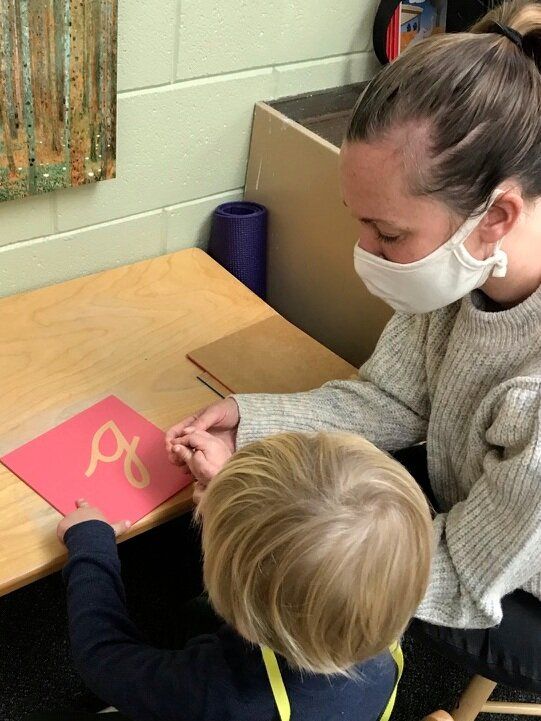
When the child is ready, the guide introduces the symbols for the sounds. In Montessori, we do this using the sandpaper letters. If you’ve visited the Children’s House, you’ve probably seen them in use. Children learn the letters by their most common sound rather than their name. They also learn common phonograms: pairs of letters that make other sounds, like “sh” and “ou.” Once children have learned most of the sandpaper letters and can analyze every sound in a word, they’re ready to write!
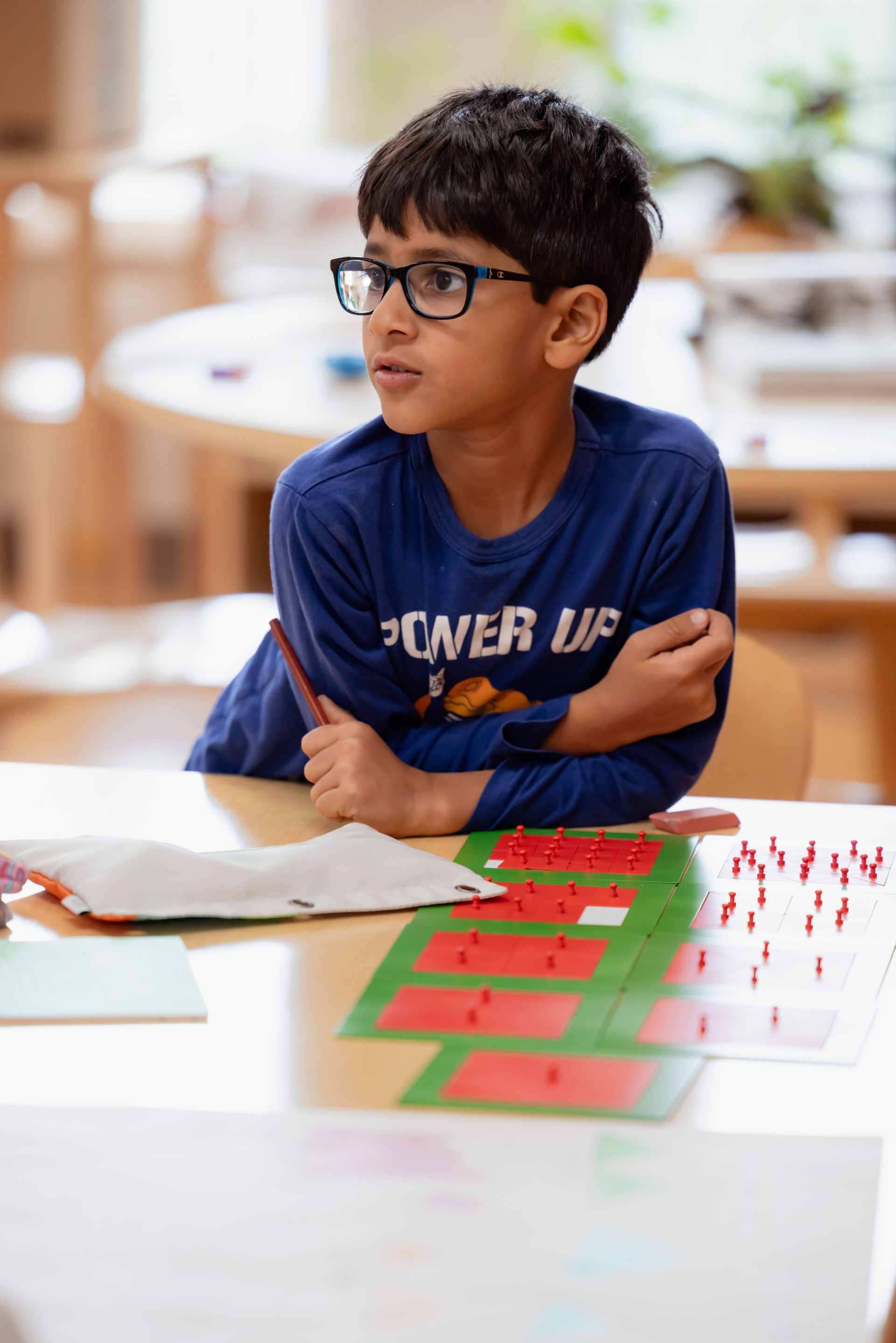
Montessori Grammar Boxes help students gain a deeper understanding of the parts of speech.
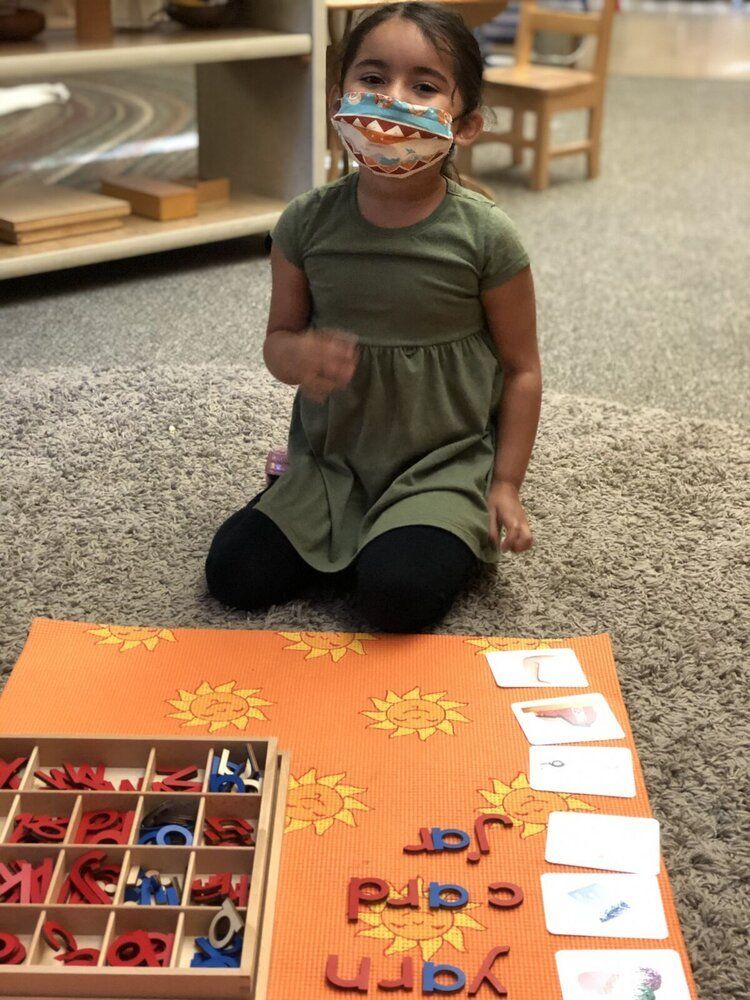
Children at this age (usually between 3 and 4) start writing by using a moveable alphabet: large letters that they can choose from to write words. Many children choose to do this over and over: writing lists, sentences, and even stories. There is no pressure, at this stage, for them to read back what they have written. But eventually they do, or they read something else in the environment, and that’s when we know it’s time for them to read.
De-Coding And Working To Recognize “Puzzle” Words Are The First Steps To Fluency
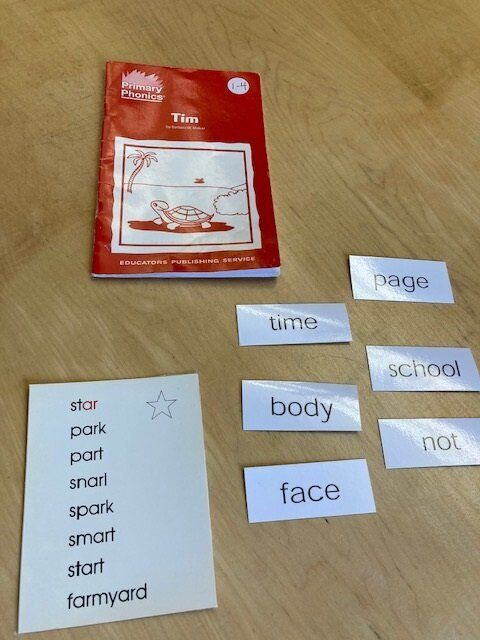
Some children leave the Children’s House having lots of experience reading phonetic words, puzzle words (like “the” or “you”), other language materials – even books. Other children leave having observed this leap but not made it themselves. Either way, this language-rich start paves the way for developing reading.
A group of Upper Elementary students practice reading their parts for a Readers Theater performance.