Education as an Aid to Life: The Science and Wisdom Behind Montessori
At the heart of Montessori education is a deep, unwavering respect for human potential. The foundations of Dr. Maria Montessori’s philosophy and practice began when, as one of Italy’s first female physicians, she worked with children who faced severe developmental delays. Observing that these children needed a different approach, Dr. Montessori designed sensory-rich materials and a prepared environment that supported their natural growth. The result was remarkable: the children demonstrated profound cognitive, social, and emotional development.
This discovery forever changed our understanding of human learning. It revealed that when given the right environment, every child possesses an inner drive to construct themselves into capable, independent human beings.
A Scientific Lens on Human Development
Dr. Montessori approached child development not through rigid educational dogma, but through the rigorous lens of a scientist and physician. Through decades of careful observation across diverse cultures, she recognized that human development follows predictable, universal patterns. At our core, we are a species designed to learn, adapt, and grow.
Dr. Montessori identified specific stages of growth—which we know as the Planes of Development—alongside a set of innate Human Tendencies that drive learning from birth to maturity. These tendencies are not random behaviors. They are evolutionary drives that guide children to meet their physical and psychological needs:
- Orientation & Exploration: The drive to understand new spaces and explore the unknown.
- Order & Abstraction: The need to organize experiences and think symbolically.
- Work & Repetition: The desire to manipulate the environment, repeat meaningful tasks, and strive for precision.
- Communication & Association: The need to share thoughts, build relationships, and belong to a community.
When an environment honors these tendencies, children focus deeply and find joy in their work. If these tendencies are blocked, children still attempt to meet their developmental needs, often expressing frustration or behavior that traditional settings mislabel as disruptive.
Education That Aligns With Human Nature
In traditional education systems, learning is often imposed from the top down. In a Montessori setting, we align our classrooms with human nature.
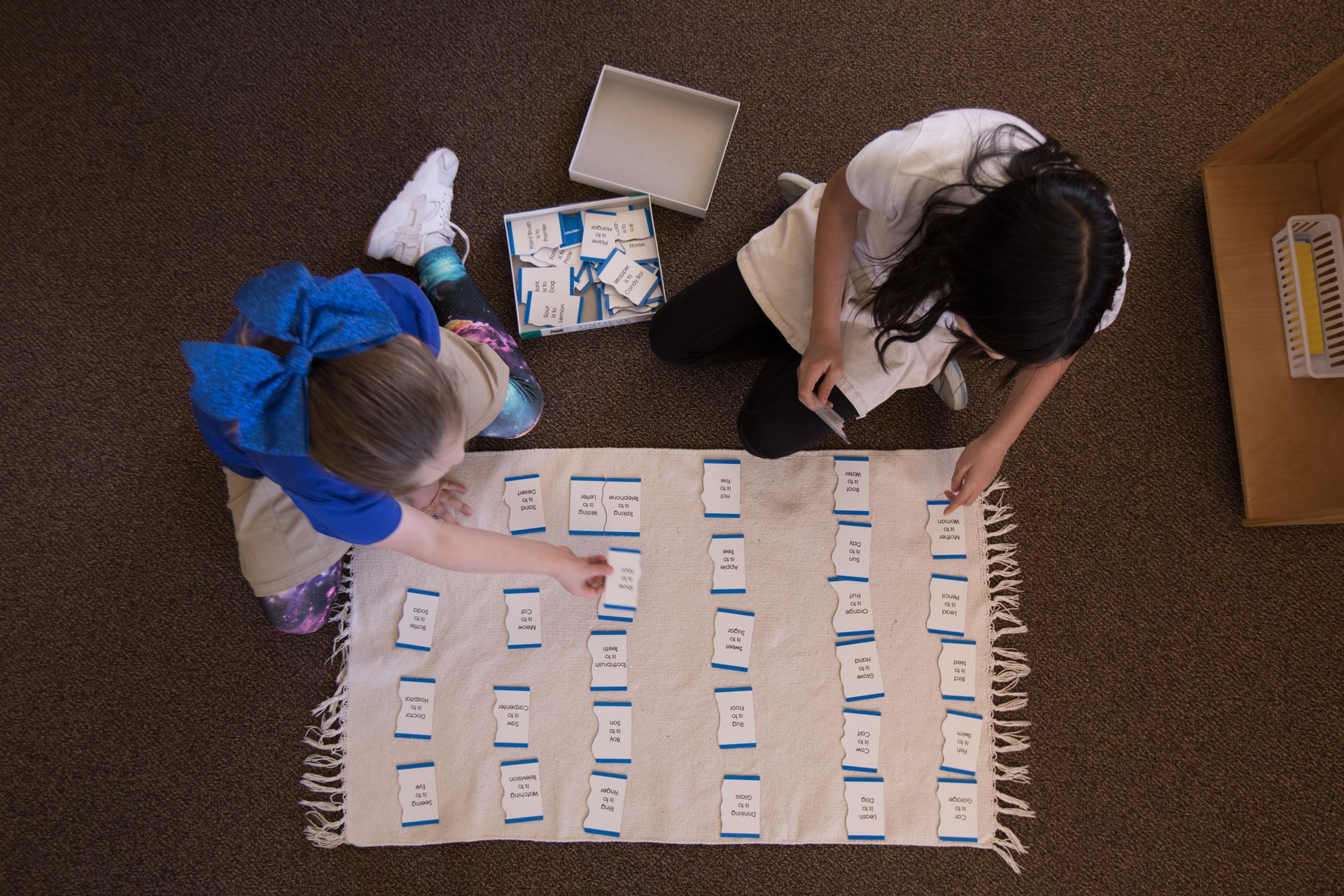
Our environments are meticulously prepared to meet the exact physical and psychological needs of each developmental plane. The adult’s role shifts from a traditional lecturer to a Guide—an observer and facilitator who prepares the environment, connects the child to purposeful work, and steps back to let the natural unfolding of ability take place.
A Cosmic Perspective: Cultivating Stewardship and Wonder
Dr. Montessori’s vision went far beyond individual academic success. She viewed human beings as part of a complex, interdependent "cosmic web" of relationships. Every element of nature—from water and soil to plants, animals, and human societies—plays a crucial role in maintaining balance.
Through our cultural, scientific, and humanities studies, we cultivate humility, wonder, and stewardship in our students. Education is not merely about personal achievement or test scores; it is about helping children realize their responsibility to live intentionally, peacefully, and sustainably within an interconnected world.
The Power of Human Adaptation
Humans are uniquely capable of adapting to a vast range of environments, cultures, and social conditions. From birth, children construct their minds, movement, and character through direct interaction with their physical surroundings.
Through their hands, senses, and relationships, children adapt to their specific time and place. Montessori education protects this critical adaptation period by honoring:
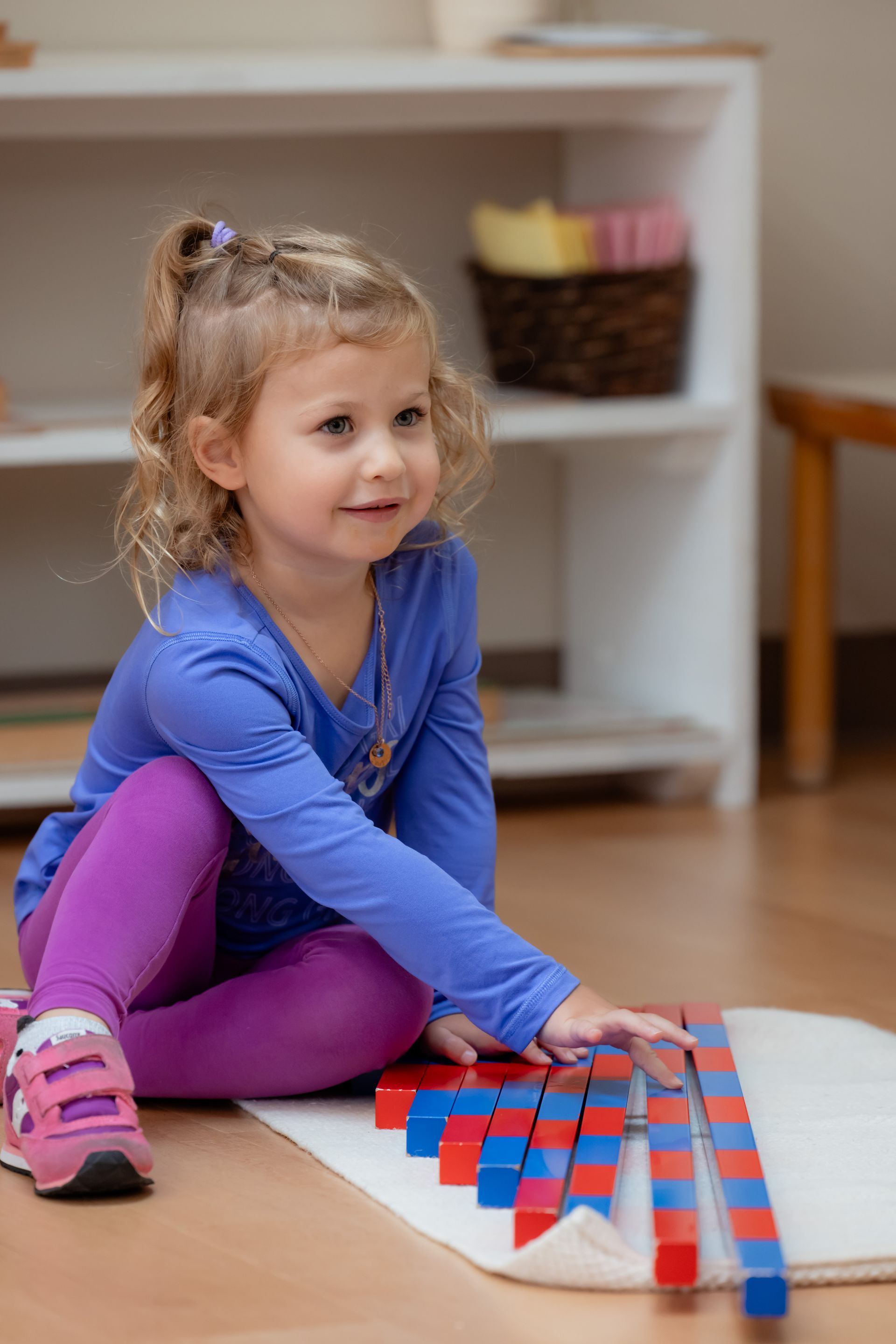
- The Development of the Hand: Connecting physical movement to brain development.
- Self-Directed Action: Building executive function skills like planning, concentration, and self-regulation.
- Social Interdependence: Learning to collaborate, resolve conflicts, and contribute to a multi-age community.
Education as an Aid to Life
Ultimately, we believe that true education serves as an aid to life itself. When we align our classrooms with the natural science of human development, we unlock profound potential in every student.
Montessori is far more than a teaching method—it is a visionary framework rooted in scientific observation and deep reverence for the human spirit. It calls us to see children not as empty vessels to be filled with facts, but as self-constructing individuals full of possibility, ready to become capable, compassionate, and resilient citizens of the world.