More Than Academics: The Social-Emotional Power of Montessori Elementary
It is easy to focus on the academic benefits of a Montessori education. In fact, an August 2023 meta-analysis of 32 studies highlights how students in Montessori programs—when compared to peers in traditional settings—demonstrate higher performance in language, math, general academic ability, and executive functioning. Clearly, the Montessori approach has a profound impact on student achievement.
Academic vigor, however, is only one piece of a child's development.
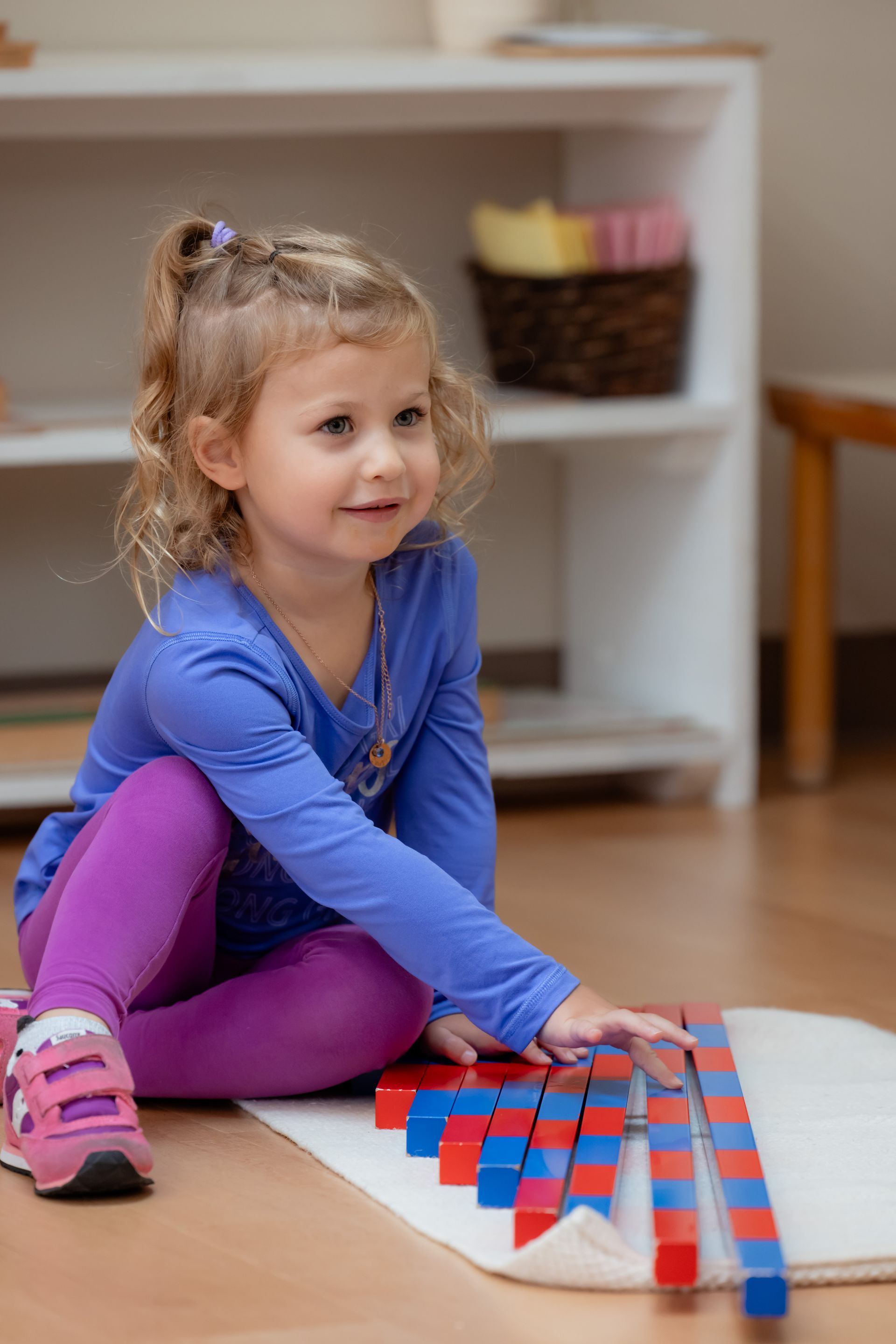
At Stepping Stones Montessori School, the social-emotional benefits of our multi-age programs are just as significant. This is especially vibrant in our Elementary communities, where children are actively discovering who they are as social beings. Through near-peer learning in our multi-age environments, students build practical collaboration strategies, conflict-resolution techniques, and problem-solving skills. By aligning our classrooms with natural human development, we work with children's natural drives rather than fighting against them.
1. Collaboration: Honoring the "We"
For elementary-aged children, life is all about the group. Children at this stage possess a strong gregarious nature—they crave connection, shared experiences, and group work. In our Elementary classrooms, collaborative projects are an integral part of the daily rhythm.
Through cooperative work, students practice essential communication skills and learn to lift one another up. We guide our children to understand that authentic collaboration takes us much further than competition. As they learn to encourage their peers in supportive ways, each child discovers not only the collective strength of the group, but also what it deeply means to belong to a community.
2. Practicing Society in a Safe Space
This process of social construction allows elementary children to experiment with societal structures. In Montessori, we often refer to elementary classroom communities as "practice societies."
It is a "practice" society because children are engaging in skills they have not yet mastered—which naturally means things won't always go perfectly at first! Creating a peaceful, functioning mini-society takes time and iteration. Mistakes will happen, hurt feelings will occur, and conflicts will surface.
In our Stepping Stones community, we dedicate the time and space necessary to help children navigate these social complexities. The word society stems from the Latin root for companion, implying friendly association with others. We support children in forming a community grounded in joint, cooperative effort where everyone’s needs are met collaboratively.
3. Hero Worship & Finding Personal Strengths
Elementary-aged children naturally seek out examples of power, strength, integrity, and beauty. Because they look toward heroes to understand their own potential, we introduce them to a diverse array of inspiring historical figures, scientists, peacemakers, and storytellers.
This inclination toward "hero worship" drives incredible prosocial growth:
- Observing Strengths: Children closely study the strengths of their heroes and begin recognizing distinct talents in their classmates.
- Inviting Collaboration: Students learn to invite peers to projects based on their unique strengths, making every individual feel seen and valued.
- Embracing Leadership: Children step into community leadership roles, learning both how to lead with empathy and how to follow with joyful cooperation.
Rather than expecting rigid compliance, Montessori environments foster a joyful, voluntary sense of belonging. Children find genuine delight in being part of a team working toward a shared purpose.
4. Solidifying Life Skills in Multi-Age Classrooms
Working alongside peers across a three-year age span allows children to realize that learning happens in all directions—from those who are older, and from those who are younger.
Through daily conversation and shared responsibility, students cultivate patience, active listening, and time-management skills. Because mixed-age classrooms remove the artificial pressure of same-age comparison, children are free to develop skills at their own pace, collaborate based on genuine interest, and solidify concepts by mentoring younger peers.
Because our guides act as allies and mentors rather than top-down authority figures, Stepping Stones students learn to converse confidently with people of all ages, ask thoughtful questions, and advocate for themselves—skills that serve them well beyond our doors.
Experience Our Classrooms in Action
Seeing social-emotional learning in a Montessori environment is best experienced in person. We invite you to visit Stepping Stones Montessori School to observe how our students build the confidence, empathy, and resilience needed to thrive as whole human beings.