How Freedom and Independence Flourish in Children's House
In order to be truly free, we need to be able to make our own choices, which means having the skills and self-reliance to act upon those choices. Without independence, genuine freedom cannot exist.
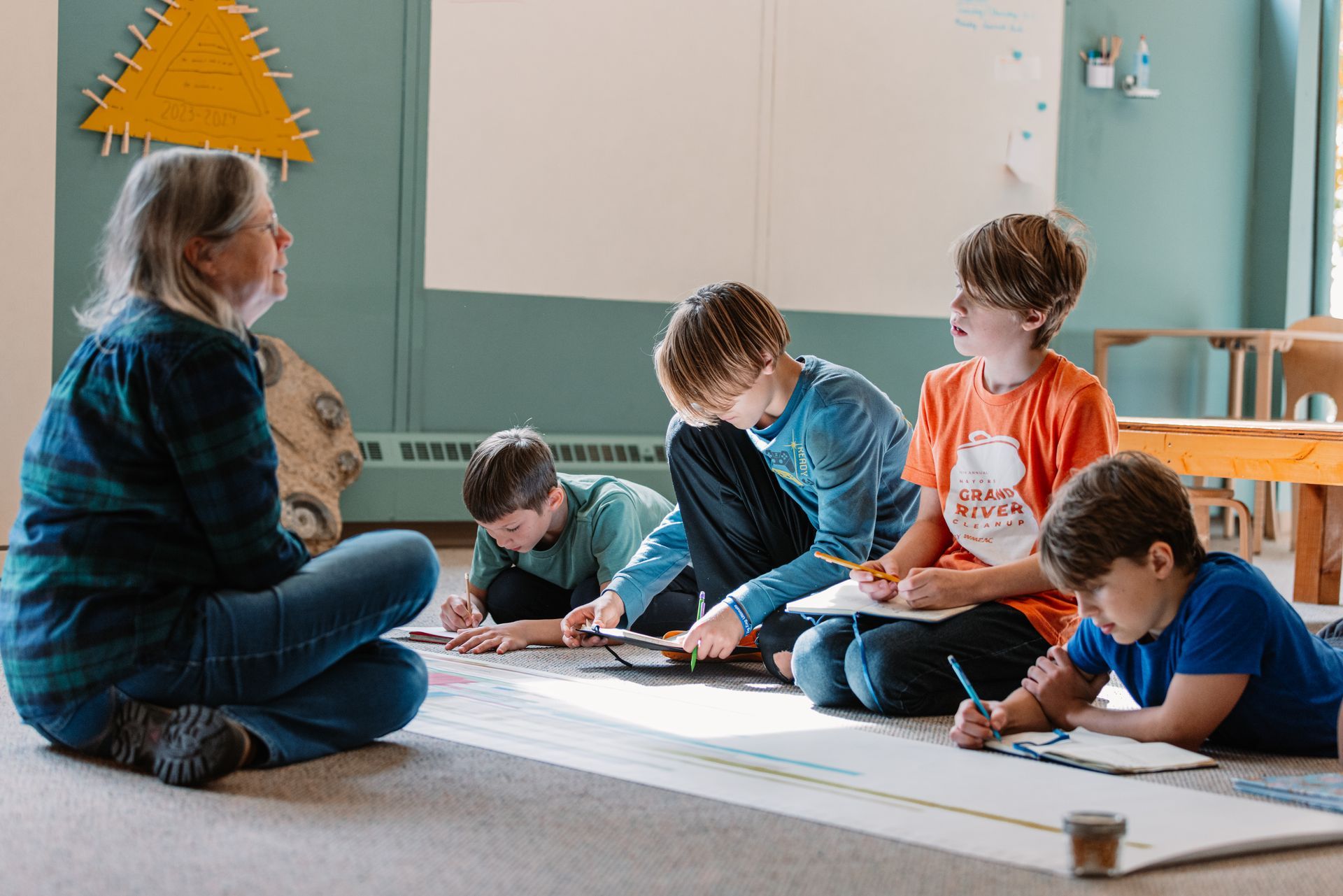
As a child's independence grows, so does their capacity for meaningful choice. In the Children’s House (Primary) classrooms at Stepping Stones Montessori School, the freedom children experience is directly tied to their developing independence. Over their three years in our mixed-age environments, children move from quiet observation to total mastery of their space. Younger children look up to the older leaders with genuine awe, watching them navigate the classroom with purposeful ease.
To foster this natural development, our guides carefully weave five key freedoms into the daily life of our prepared environments:
1. The Freedom to Choose Their Own Activity
Even at three years old, children have clear ideas about what captures their interest. In our Montessori classrooms, we honor this by offering continuous opportunities to make choices. However, freedom in a Montessori environment is never a free-for-all.
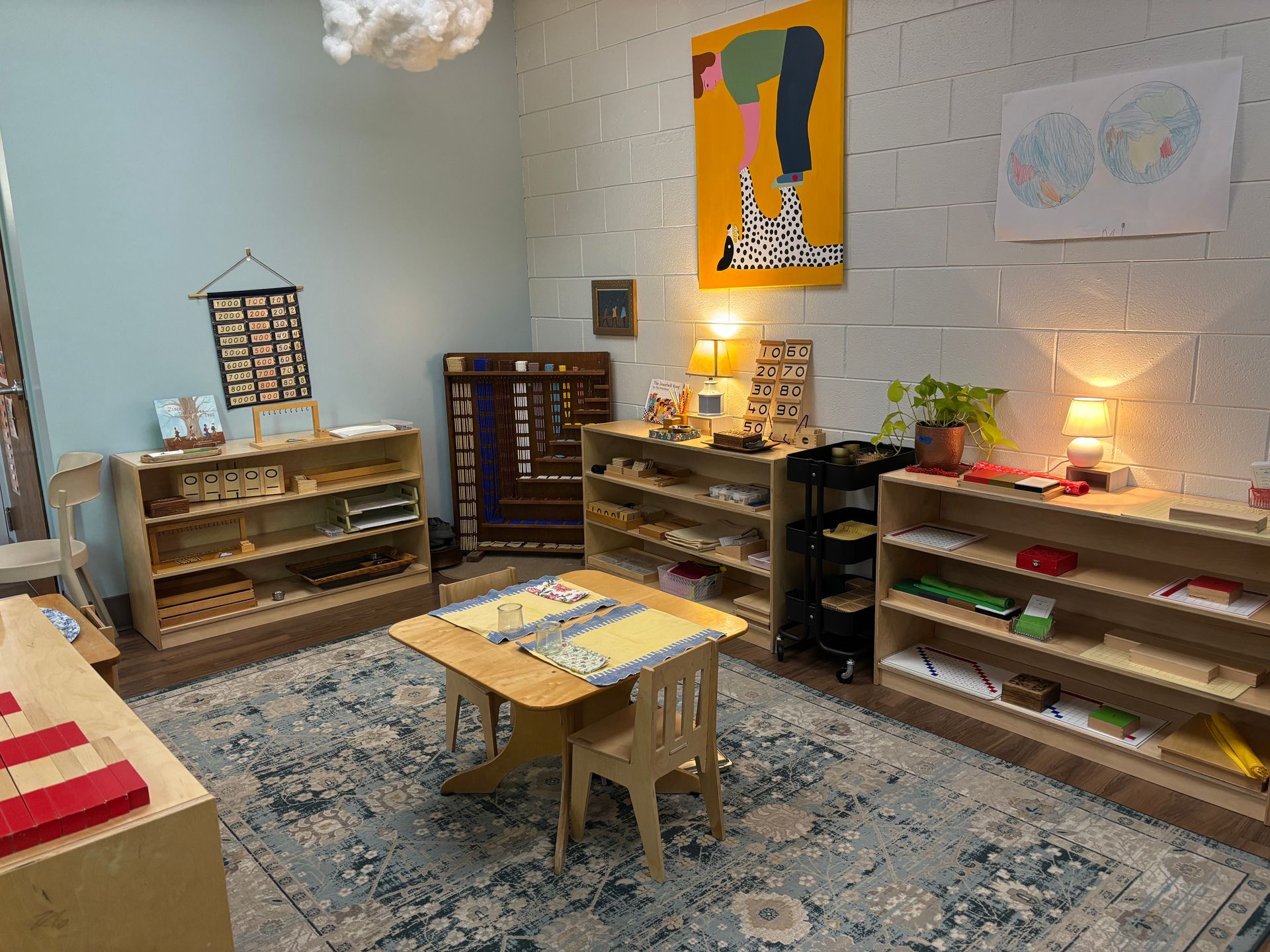
Our spaces are purposefully prepared with materials designed to meet specific physical, cognitive, and social developmental needs. Children are free to choose any work they have been introduced to by their guide or that they have demonstrated the skill to use independently. Freedom follows capability.
For younger children just entering the Primary program, we scaffold this decision-making process. If an activity involves two components, a guide might ask, "Would you like to carry the box or the tray?" Once selected, we follow up with: "You may carry the tray to any open table you choose." Over time, children build the decision-making stamina required to direct their own learning.
2. The Freedom to Work Without Interruption
Once a child selects an activity, they are free to engage with it for as long as their focus demands, without unnecessary interference from peers or adults. We hold this time as sacred to protect their concentration. Because Montessori materials are inherently self-correcting, children discover answers independently without needing continuous adult validation.
Our guides actively guard children who are deeply engaged in purposeful work, even if that work involves a three-year-old carefully scrubbing a table with water occasionally splashing onto the floor. Uninterrupted time builds deep focus. When children are frequently stopped or rushed, their concentration breaks, which can make them hesitant to take on challenging tasks in the future.
3. The Freedom of Movement
Children are not built to sit at assigned desks for hours at a time. In our Children's House, children move freely throughout the room. They choose whether to work at a table or on a floor mat, and whether to work independently or alongside a friend. They have the liberty to stand up, stretch, pour a drink of water, or use the restroom as their body requires.
4. The Freedom to Communicate
Communication is a natural part of living in a community. Children in our classrooms are free to converse with one another throughout the day, provided their conversations do not disrupt the work of others. We model respectful communication, ensuring that when a child speaks to an adult, they are truly heard and met with presence.
5. The Freedom to Work at Their Own Pace
Unlike traditional environments where every child moves through the same activity at the same minute, Montessori children follow their internal developmental clock. Our daily schedule features a continuous, uninterrupted three-hour work cycle, allowing children to sink deeply into their activities without being cut short by artificial transition bells.
Repetition is how children master skills and internalize concepts. If a child needs to spend an entire morning repeating an exercise, they are encouraged to do so. For children new to Stepping Stones, guides gently reassure them: "You may work with this for as long as you like."
The Balance of Freedom and Limits
For freedom to function smoothly, clear social boundaries are essential. Our classrooms rely on simple, predictable guidelines that protect the community:
- Materials are taken from the shelf one at a time and returned ready for the next person.
- A material on the shelf is available; a material in use by another child is busy.
- Every child takes part in restoring their work, drying a wet tray, replacing paper, or sweeping up a spill, before returning it.
This sense of responsibility teaches children that freedom is a shared privilege grounded in care for one’s environment and peers.
Seeing Independence in Action
As children build real-world abilities, their confidence grows naturally. By matching freedom with capability, we help children develop real self-direction, concentration, and joy in learning.
Curious to see how this works in person? We invite prospective families to observe our Children's House classrooms in action.