Understanding the Drives Behind Your Child's Behavior
The scene may feel familiar. You sit down for a family meal. Your youngest child starts tapping their spoon against a bowl, completely fascinated by the sound. Your older child begins firing off big questions about the world. Meanwhile, another child grows frustrated with their siblings, wanting everything at the table in perfect order.
In that busy moment, it is easy for exasperation to take over. As parents, we might wonder what propels our children. What are they thinking when they poke a fork into the table or push boundaries during everyday routines?
The Inborn Human Tendencies
Children are born with universal human drives. They are hard-wired to explore, work, connect, and communicate. They crave order in their surroundings. They imagine possibilities, create, orient themselves to new environments, and wonder about the how and why of the world.
These human tendencies are at play from birth:
- An infant rotates their body on the floor, driven by a natural need to move, crawl, and eventually stand upright to explore with their hands.
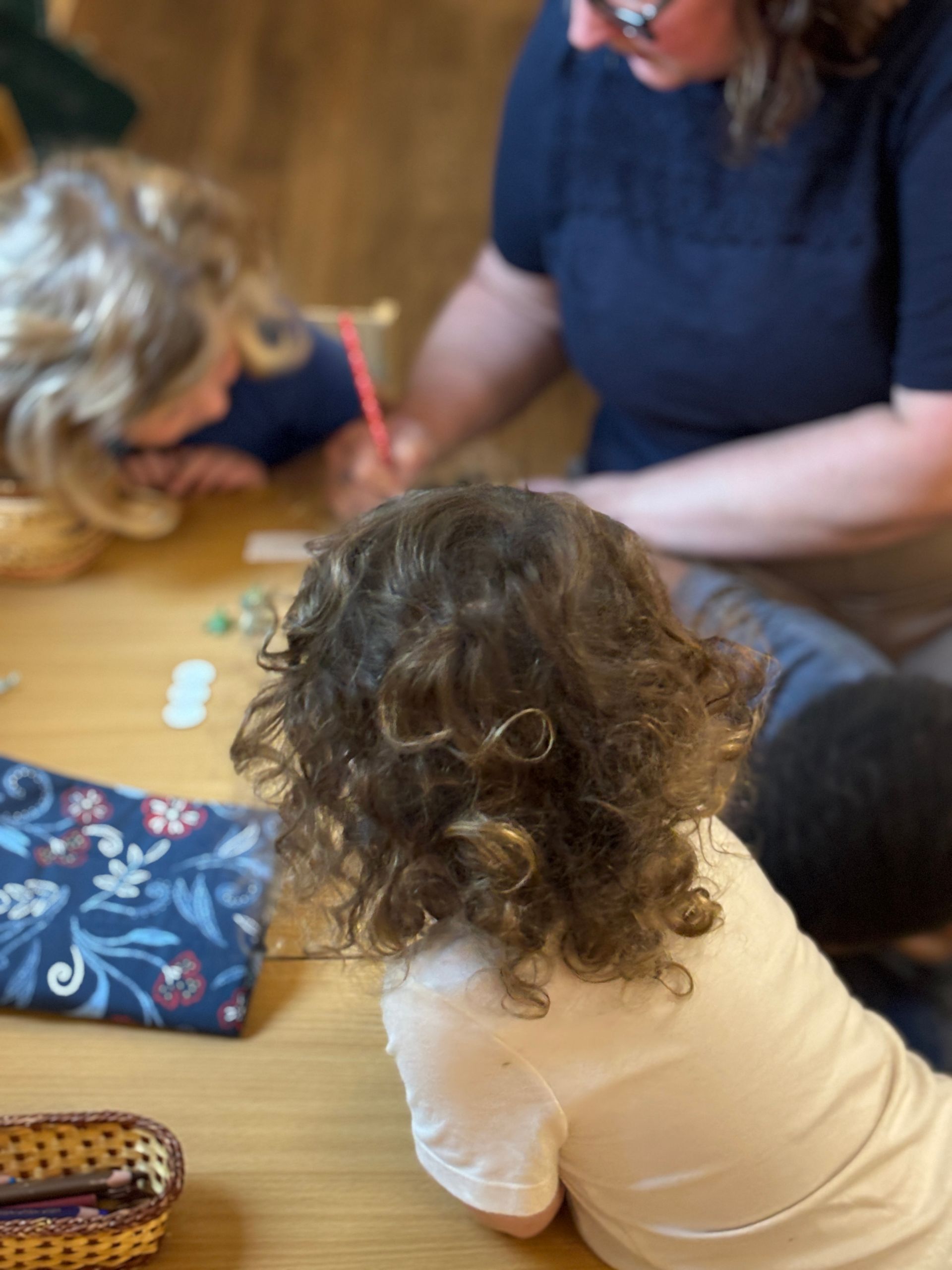
- A young child in the Children's House taps a spoon against a bowl, not to cause a disruption, but to explore cause, effect, and sound.
- An older child asks constant questions to satisfy a growing desire for intellectual exploration.
When we remember that children are guided by these internal drives, we can view their behavior with patience and help them thrive.
Supporting Internal Drives at Home
Our home and school environments can work together to satisfy these natural needs:
- The Need for Order: Knowing where belongings go provides children with security. Simple home setups, like low coat hooks or designated shelf spaces, help children feel oriented and calm.
- The Need for Purposeful Work: Children want to contribute to daily life. Inviting your child to set the table, pour water, gather laundry, or prepare snacks satisfies their drive to be capable and self-reliant.
- The Need for Communication and Connection: Children are social beings learning how to collaborate. When a child struggles to share or direct a sibling, they simply need quiet guidance on how to express their needs respectfully.
How We Support Human Tendencies in the Classroom
At Stepping Stones Montessori School, our prepared environments and materials are carefully designed around these developmental drives.
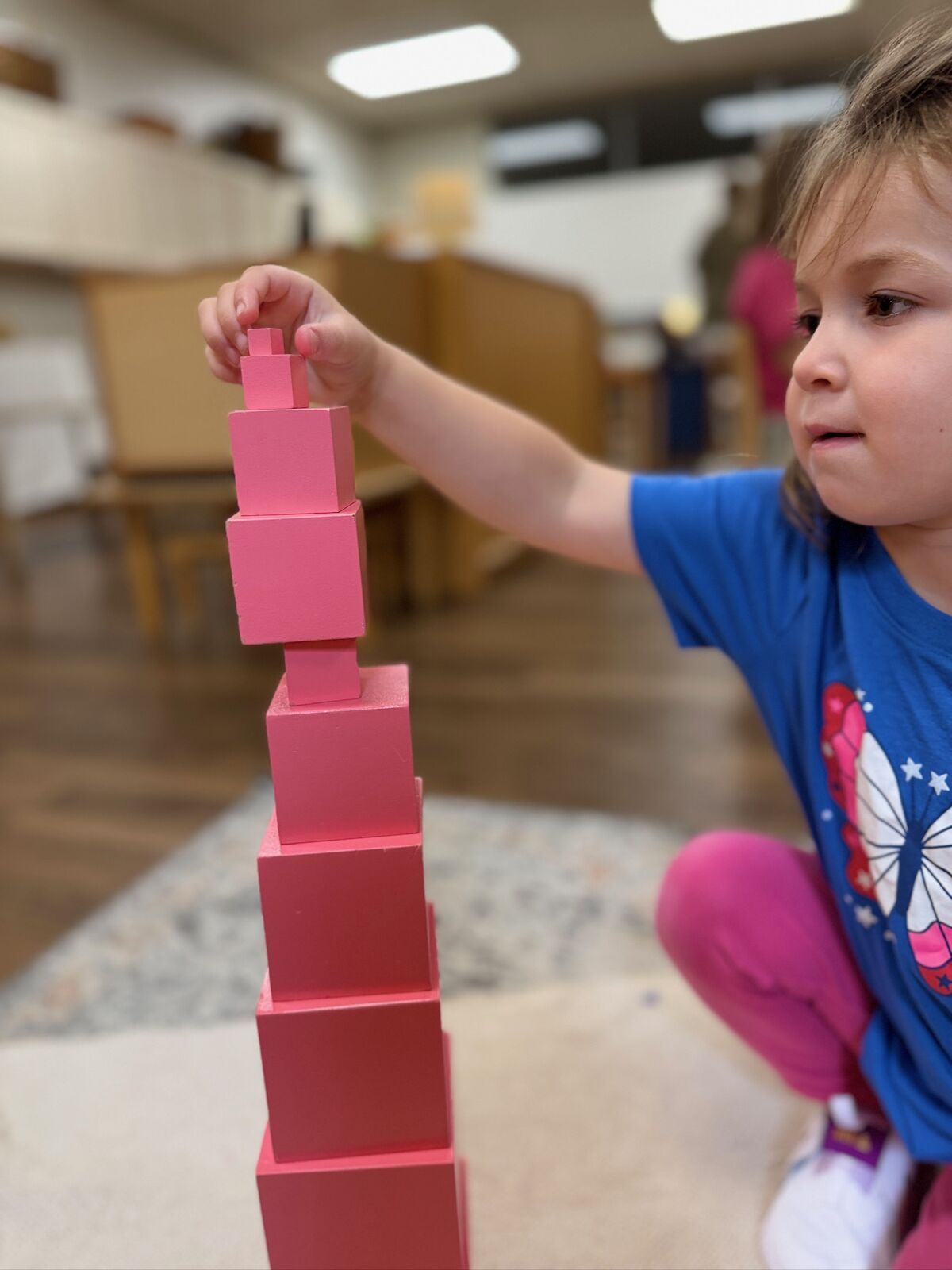
Instead of fighting against a child's natural urge to move, touch, and question, our guides channel these drives into purposeful learning. Children choose hands-on materials, work at their own pace, and build real confidence through meaningful activity.
When we honor these innate human tendencies, children develop deep focus, emotional security, and a lifelong love for learning.
See Our Prepared Environment in Action
Curious to see how our classrooms support your child's natural development? We invite you to visit Stepping Stones Montessori School and observe our program firsthand.